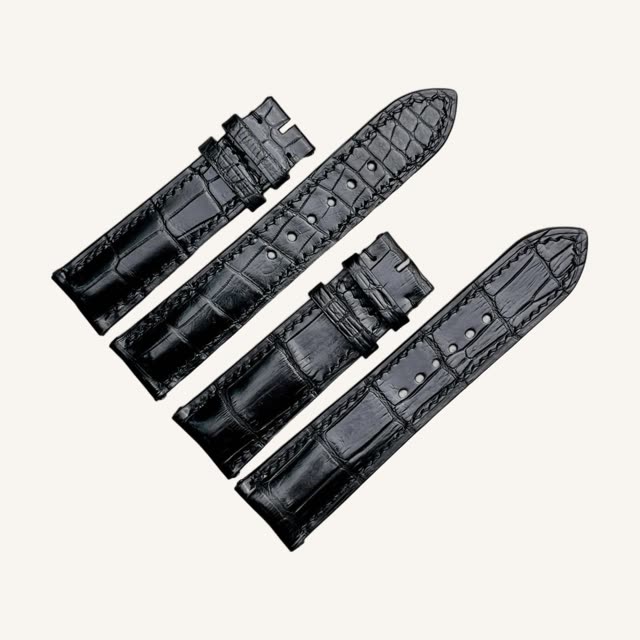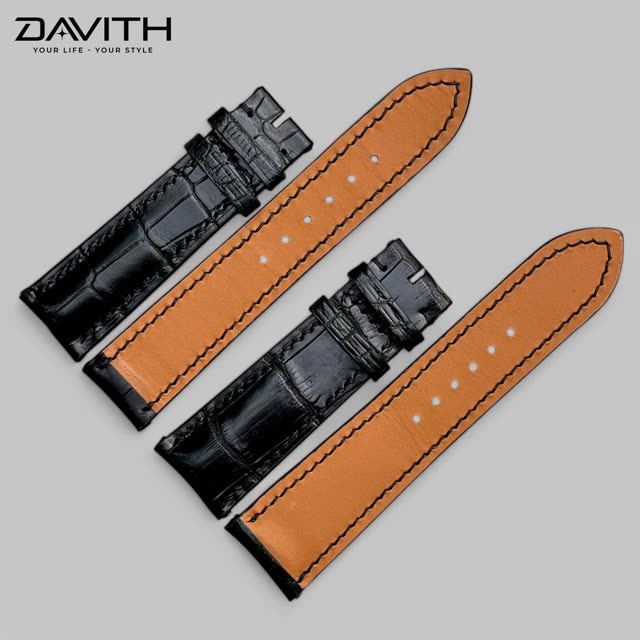
"Crocodile leather" is not one material. A single hide gives three very different leathers depending on where it is cut: the soft, even belly, the ridged hornback from the back, and the long segmented tail. They look different, feel different and suit different pieces. Here is how they compare, using pieces from our own workshop.
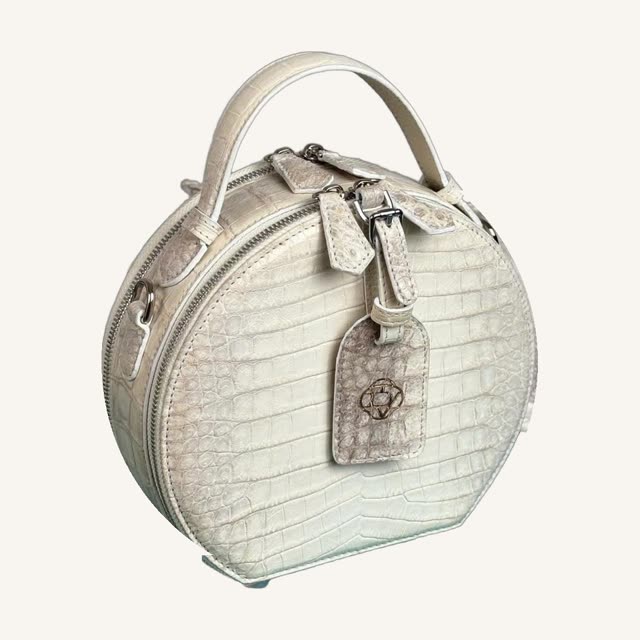
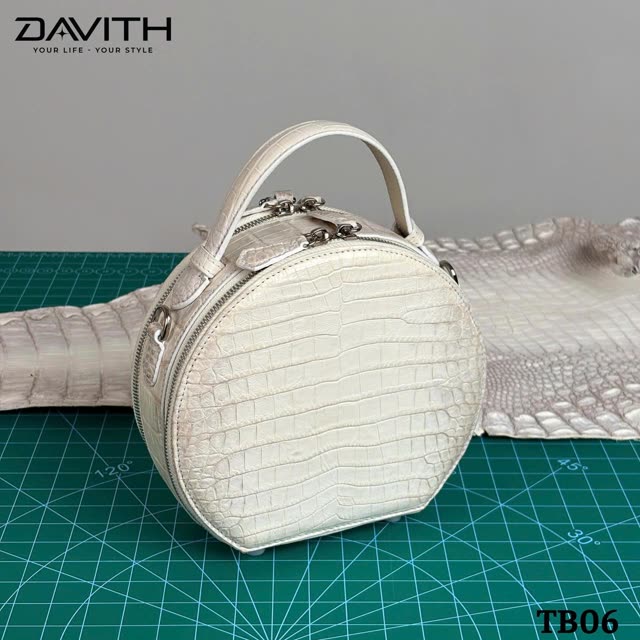
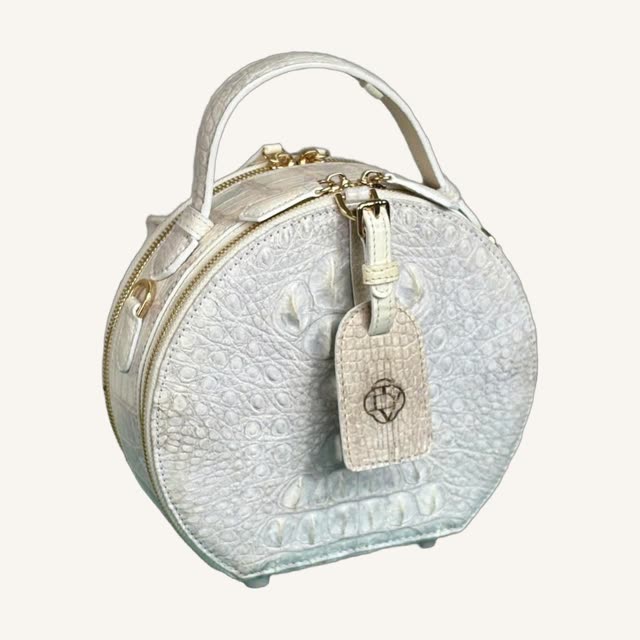
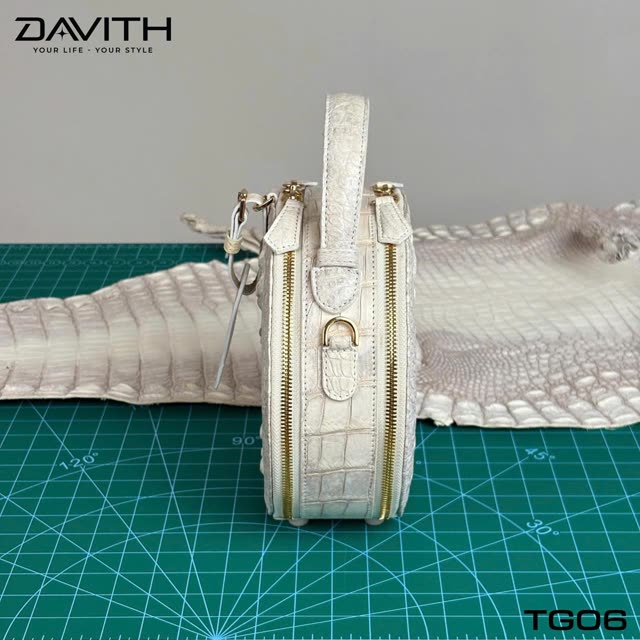
The same bag in belly and in hornback
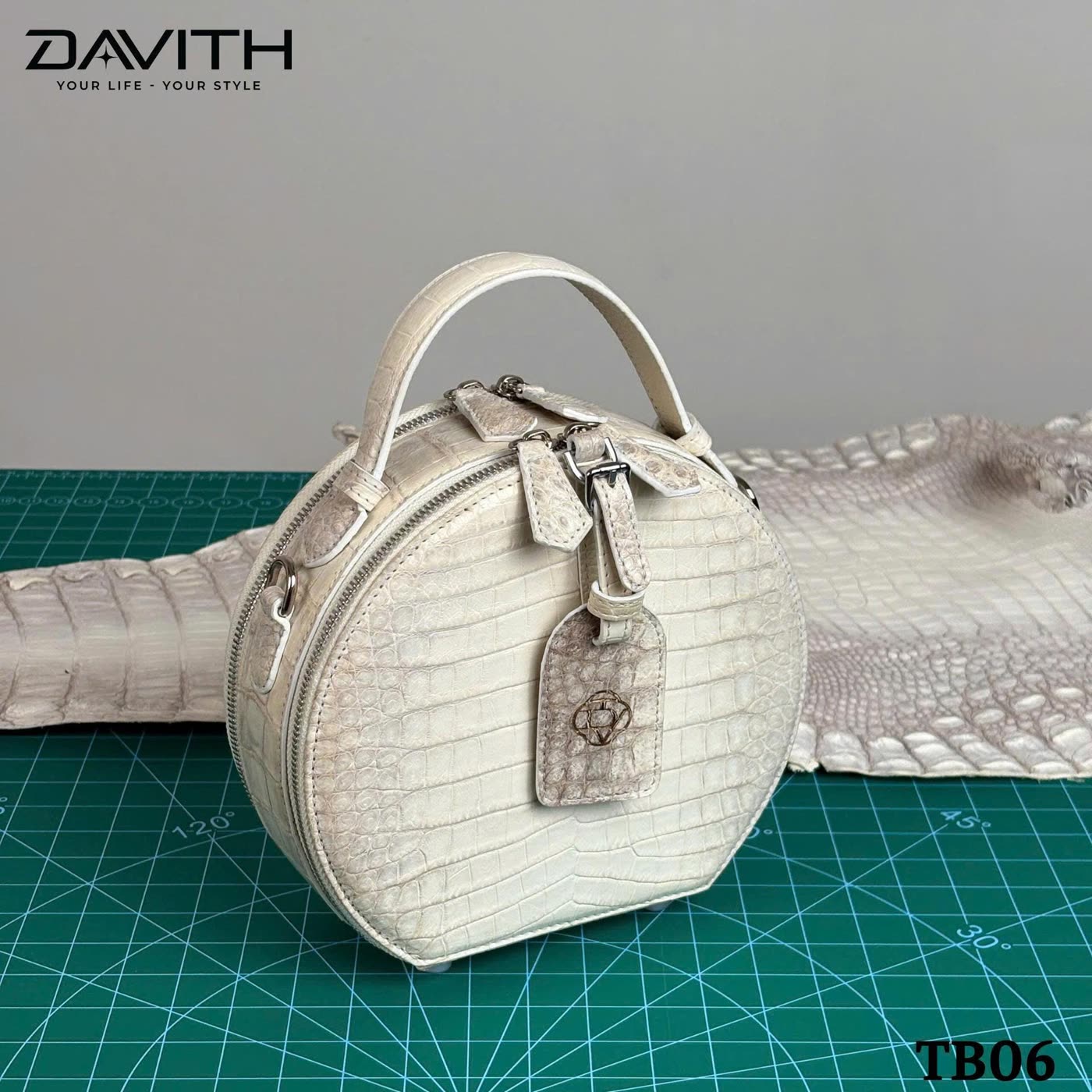
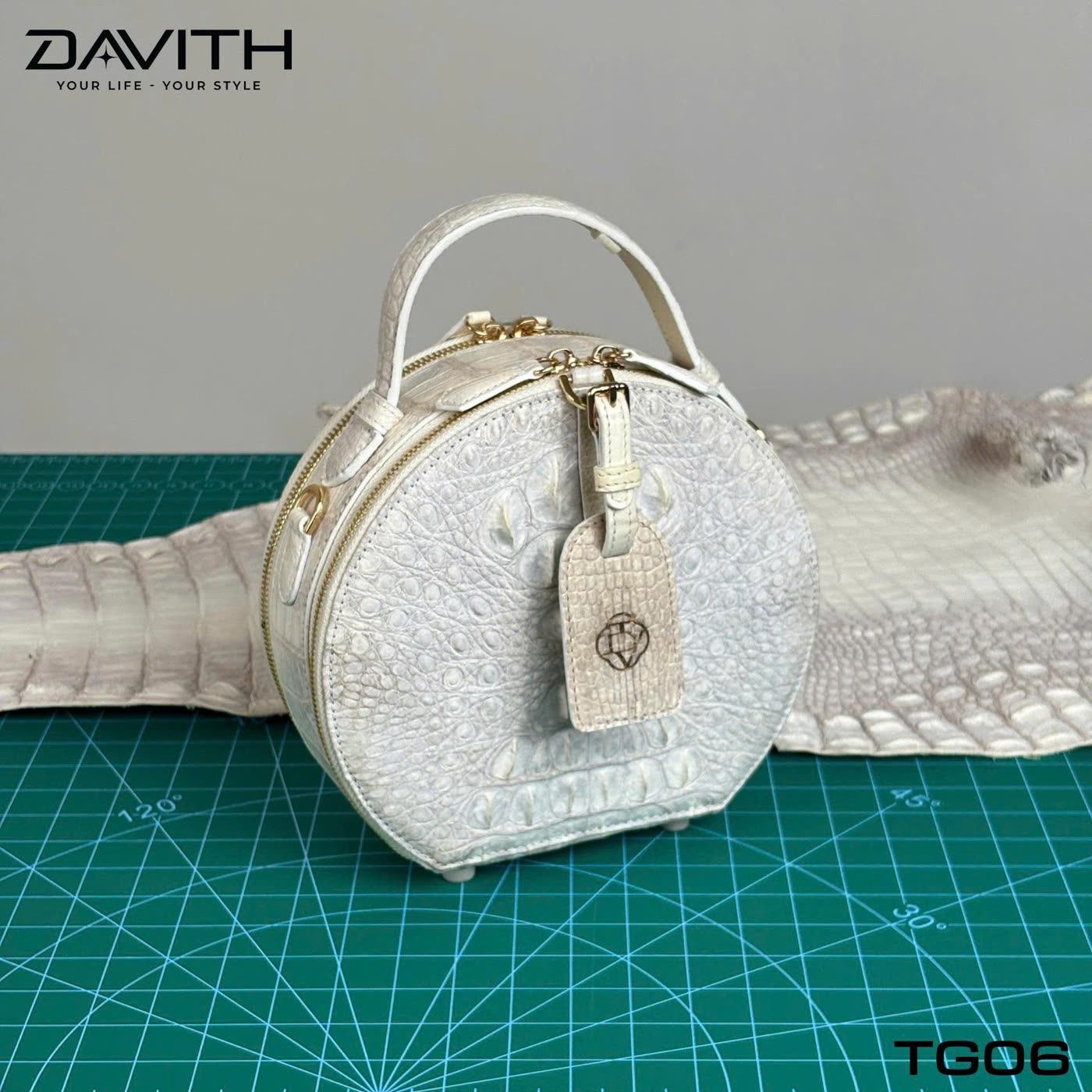
Same shape, same size, same whitening process. The only difference is which part of the hide was used, and it changes the whole character of the bag: the belly version reads quiet and refined, the hornback version bold and sculptural.
Belly: the softest and most even
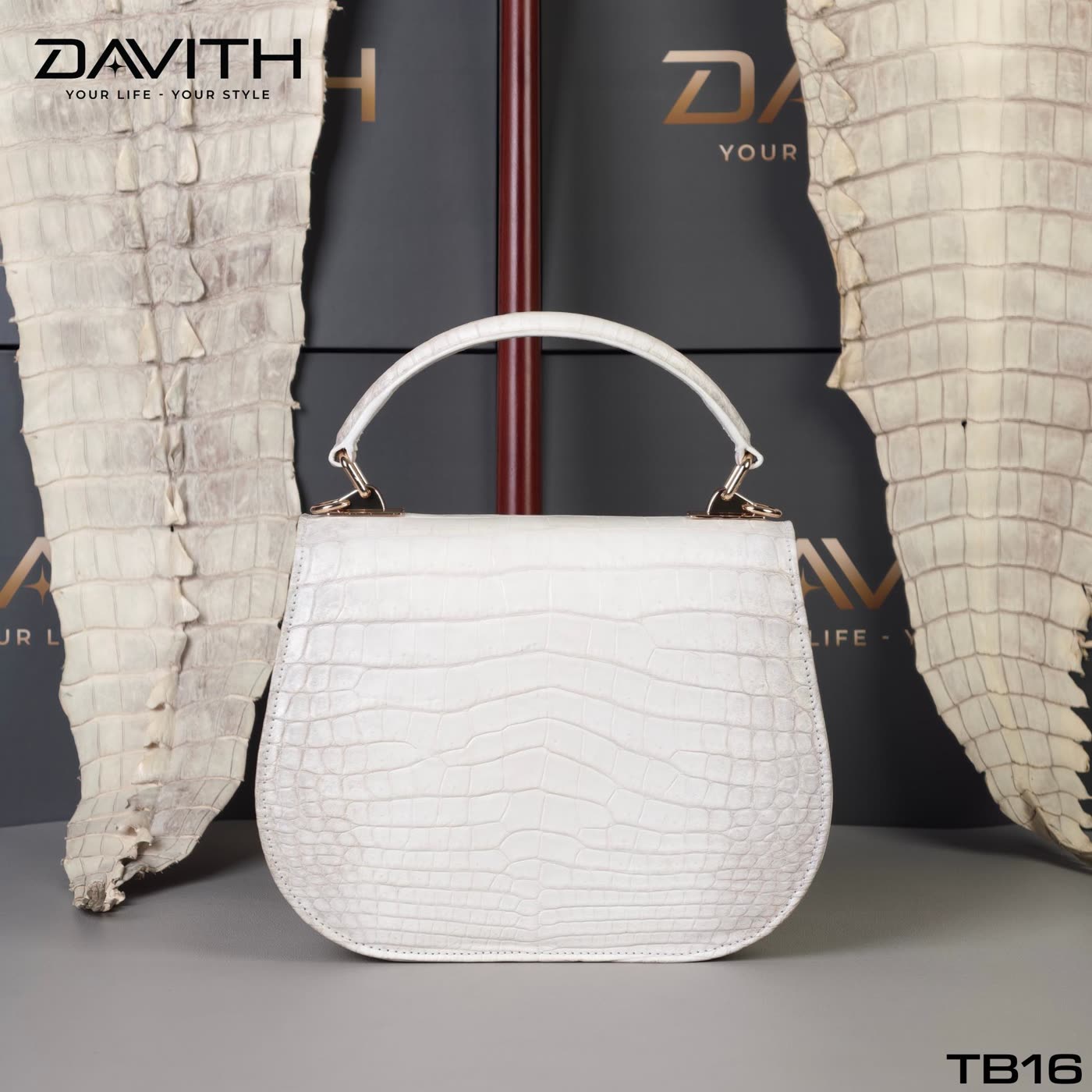
The belly is the underside of the animal. Its scales are flat and roughly rectangular, largest along the centre line and getting gradually smaller towards the flanks. It is the softest and most supple part of the hide and takes colour and polish evenly, which is why it is the classic choice for fine handbags, wallets and dress belts.
- Look: clean grid of square and rectangular tiles
- Feel: smooth, flexible, relatively flat
- Best for: handbags, wallets, belts, briefcases with a refined finish
Hornback: ridges you can feel
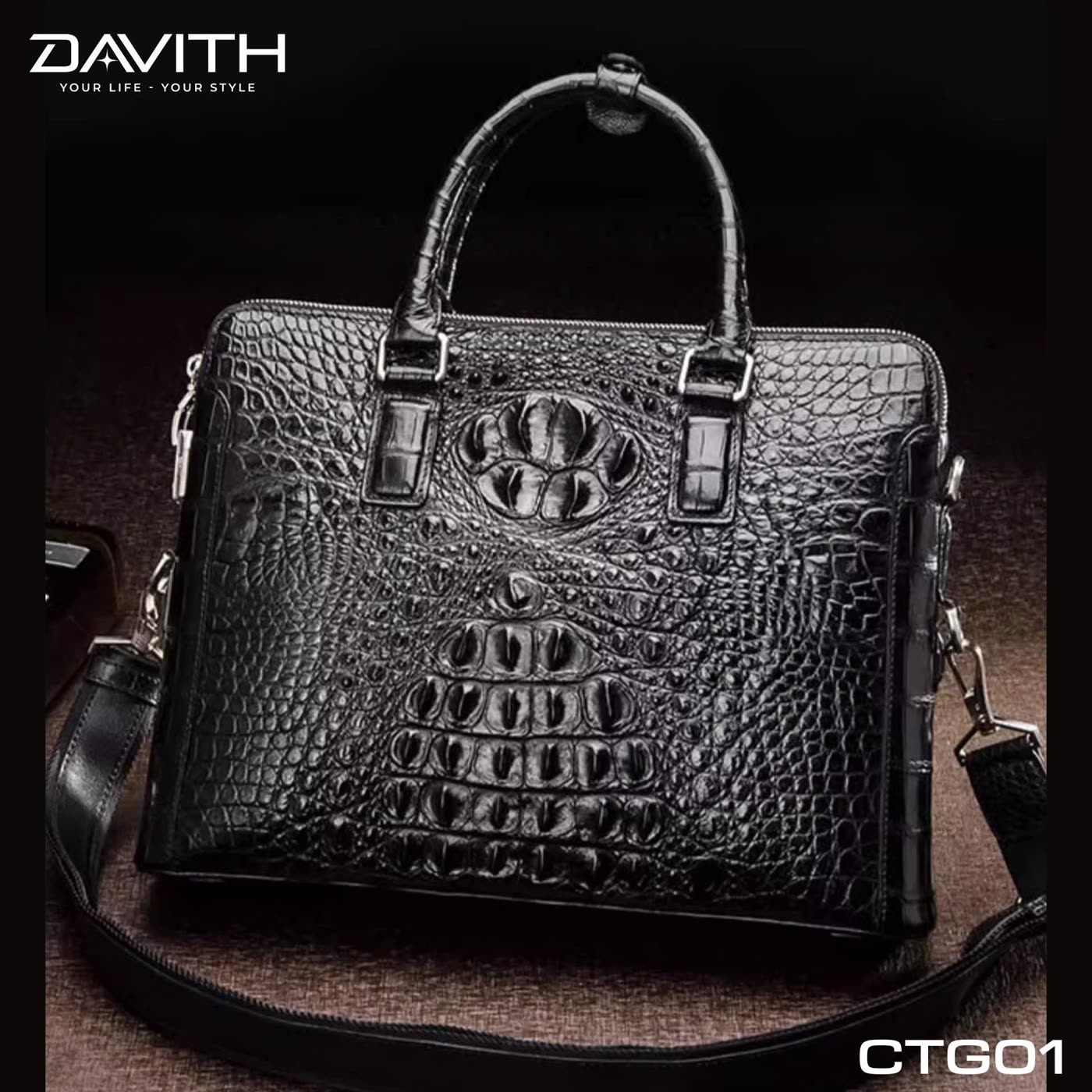
Hornback comes from the back. Along the spine the scales carry small bony plates that rise into firm, uneven ridges, flanked by smaller rounded scales. The texture is strong and three-dimensional, every ridge catches light differently, and the leather is stiffer than belly. That stiffness is an advantage for structured pieces: a hornback panel helps a bag or briefcase hold its shape.
- Look: a bold row of raised ridges, dramatic and unmistakable
- Feel: firm, textured, noticeably three-dimensional
- Best for: structured handbags, briefcases, messenger bags, statement wallets and belts
- Care note: dust collects between ridges; wipe with a soft brush or cloth before conditioning
Tail: long segments, made for straps
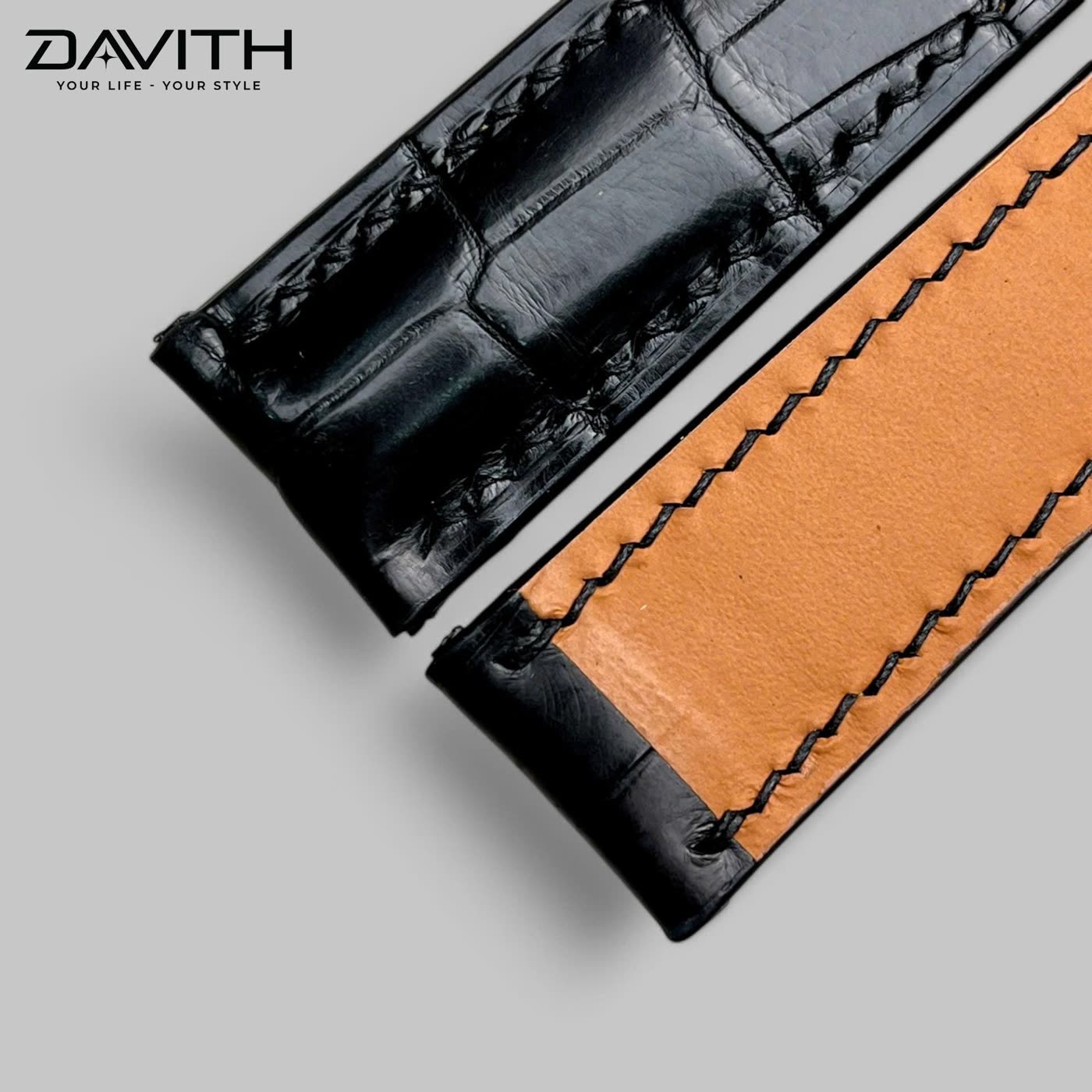
The tail gives long, narrow pieces with elongated rectangular scales arranged in segments, sometimes described as a bamboo pattern. The scales follow the length of the piece, so tail leather is a natural fit for long, narrow products. Its pattern is regular but never identical from one strap to the next.
- Look: long segmented scales running along the piece
- Feel: firm with a defined, rhythmic texture
- Best for: watch straps, belts, small accessories
Side by side
| Belly | Hornback | Tail | |
|---|---|---|---|
| Where | Underside | Back, along the spine | Tail |
| Pattern | Flat square tiles, large to small | Raised bony ridges | Long segments in a row |
| Feel | Softest, most flexible | Firm, three-dimensional | Firm, rhythmic |
| Character | Refined, classic | Bold, sculptural | Graphic, sporty |
| Typical pieces | Handbags, wallets, belts | Structured bags, briefcases | Watch straps, belts |
Which one should you choose?
- For an everyday wallet or a soft, elegant bag: belly. It is the most comfortable in the hand and the most discreet.
- For a bag or briefcase that should make a statement and keep its shape: hornback.
- For a watch strap: tail; its segments follow the strap and flex at the right points.
- For a belt: either belly (dressy) or hornback (bold). We make both in our belts collection, cut to your waist size.
Whatever the section, every DAVITH piece is cut from one continuous section of hide, never pieced from offcuts. Not sure which suits you? Send us a message and we will share close-up photos of the hides we have in the workshop.